


Women's Self Defense Classes in Ellisville: Seminars or Ongoing Karate?
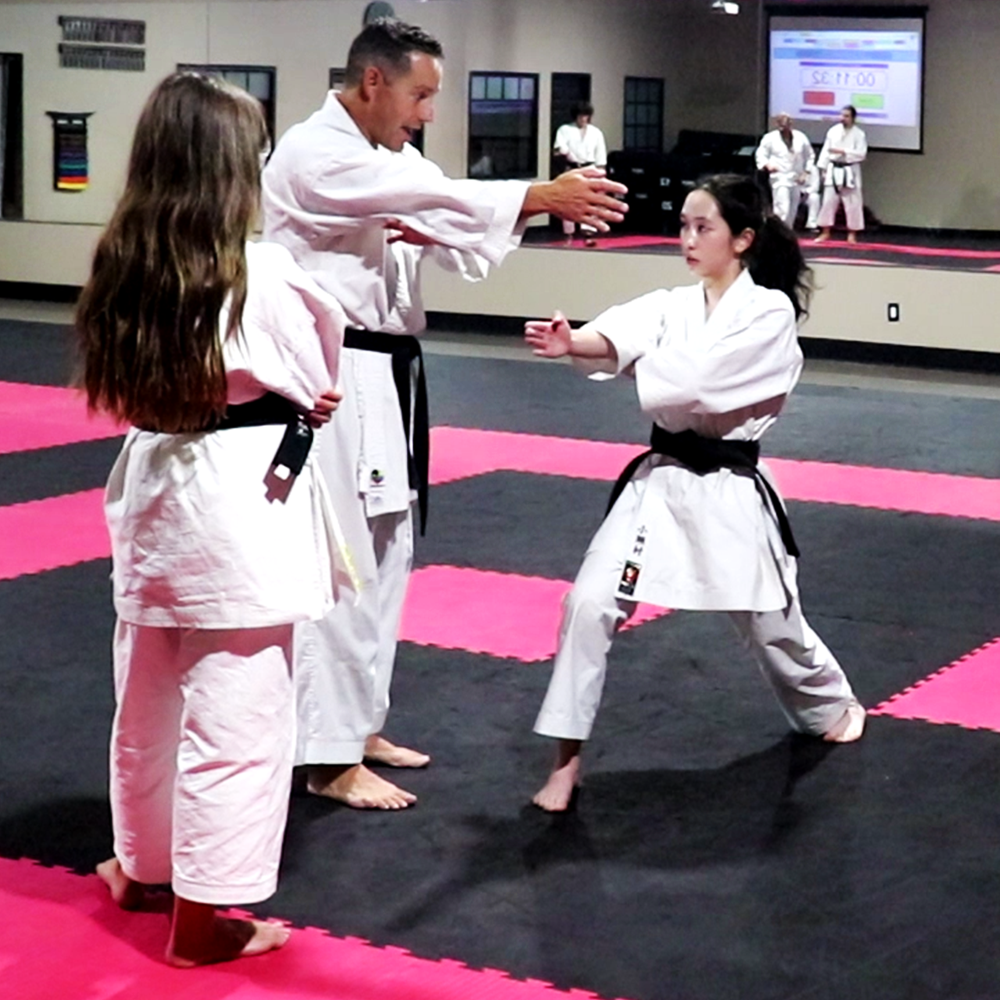
When comparing women's self defense classes near Ellisville, focus on what you will practice, what feedback you will receive and how you can continue learning. For a one-time seminar, ask about its specific scope and follow-up options. For ongoing karate, ask how instructors revisit fundamentals as students progress. Do not treat either choice as a promise of protection or an effective response when frightened or stressed.
For women and parents of teen girls, a useful comparison starts with concrete questions about instruction, supervision and class suitability.
Comparing a self-defense seminar with ongoing karate
Before choosing a seminar, request an outline. Rather than assuming every event includes the same instruction, ask:
Does the session address awareness, boundaries, distance and avoiding escalation?
Will participants practice movements or mainly watch demonstrations?
How much individual feedback is planned?
What qualifications and relevant teaching experience does the instructor have?
What should participants continue working on afterward?
Ask the organizer to distinguish what the session introduces from what participants will have time to practice. If the description promises that a few techniques will prepare you for any confrontation, ask for a more specific explanation of the session's limits.
For ongoing training, use a different question: How will the instructor help me review, correct and develop these skills over time? Ask what beginners practice first and how later lessons build on that work. Compare the answers with your goals, comfort level and ability to attend.
Awareness and repetition: look beyond memorizing moves
MKA's published Shotokan overview emphasizes awareness, distance and responsible decision making before physical contact. When evaluating instruction, ask how those subjects connect to the movements being taught.
For example, ask whether a lesson includes discussing when to move away, how to recognize a concerning situation and how to avoid escalation. Treat these as questions about the program's content rather than assuming they appear in every class.
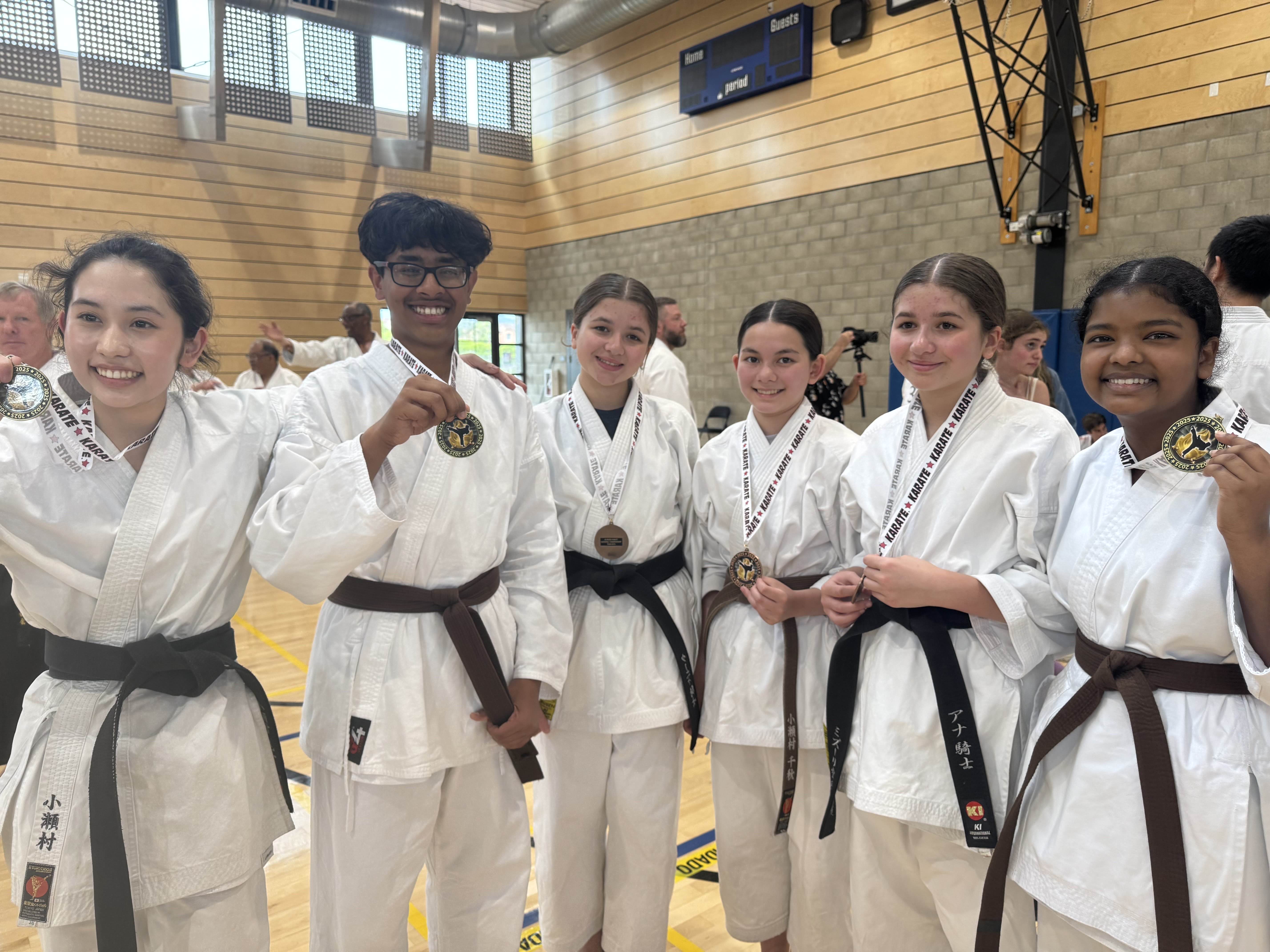
Also look at the quality of practice. MKA's article on repetition stresses attention to technique and instructor guidance. During a visit, notice whether students receive a specific correction and an opportunity to try again.
Prioritize that process over collecting a list of tricks. Ask yourself: Can I explain the purpose of the movement? Do I understand the correction? What should I practice next? Avoid equating successful practice in class with a guaranteed response during an emergency.
What MKA's published material describes
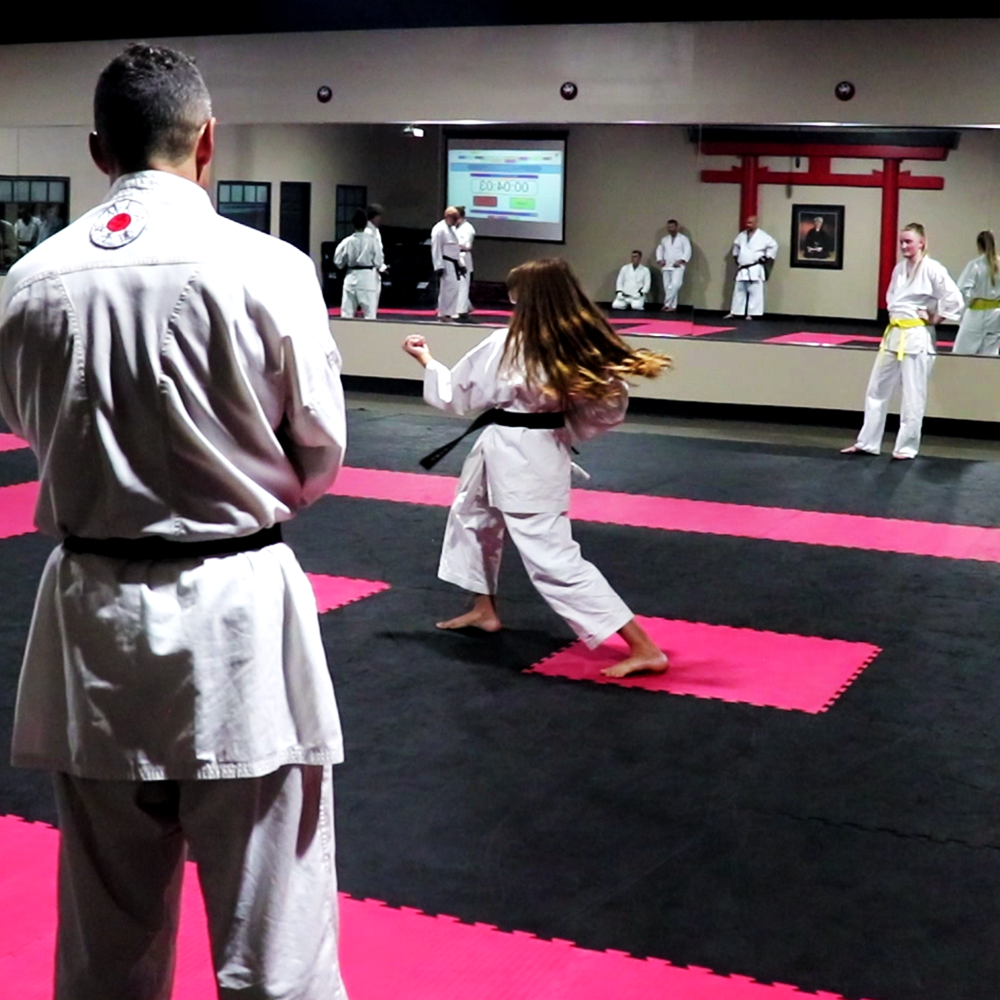
MKA's overview of traditional Shotokan karate describes punches, kicks, blocks, stances, movement, timing, distance and control. These are concrete subjects to discuss when explaining your self-defense goals to an instructor.
For parents researching self defense classes for girls, MKA's teen karate article describes forms, strikes and self-defense drills, including blocking, creating space and controlled movement. Ask which current class would suit your teen and how a beginner joins those activities.
MKA's articles on women's self-defense and college self-defense also discuss escapes from grabs and holds. If escape skills are a priority, confirm how and when they fit into current regular classes before enrolling.
Questions to ask about women's self defense classes
Bring a short list to your first conversation:
Eligibility and placement: Which class is suitable for me or my teen, and what requirements apply?
Partner practice: How are partners selected and beginners introduced to exercises?
Contact and supervision: What contact is expected, and how do instructors oversee it?
Comfort and communication: How can a student pause an exercise or discuss a concern privately?
Continued practice: How often are relevant skills revisited, and how is progress assessed?
For a teen, invite her to share her own questions and preferences. Discuss the answers together before deciding whether the class fits.
Are women-only sessions currently available?
Contact MKA directly to ask whether a women-only self-defense session is currently available. Confirm eligibility, content, dates and registration details before making plans. Ask separately about suitable ongoing karate classes so you can compare the options actually available.
Visit the Ellisville dojo and discuss your next step
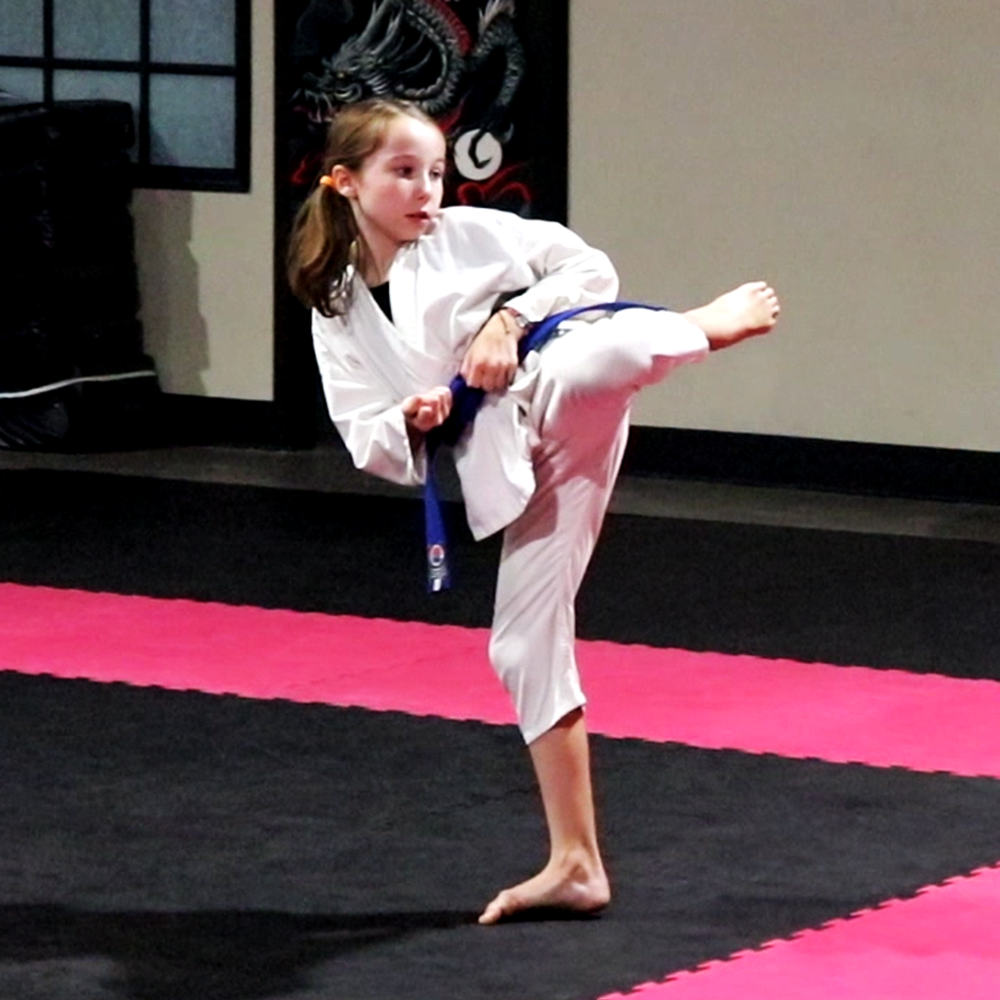
During a visit, look for clear explanations, controlled practice, respectful correction and room to ask questions. Consider whether you understand the expectations and feel comfortable discussing your goals.
Missouri Karate Association is the only traditional Shotokan Karate dojo in the St. Louis area, proudly serving families in Ellisville, Ballwin, and West County for over 20 years.
We offer karate classes for kids, teens, and adults, helping students build confidence, discipline, and focus through authentic martial arts training.
Whether you're just getting started or looking to deepen your training, our instructors are here to guide you every step of the way.
Schedule your free trial class today, or visit us at mokarate.com to learn more.


Comments