


Beginner Karate for Teens Near Manchester: Can Your Teen Join MKA?
Can a Teenager Join MKA’s Adult Beginner Class?
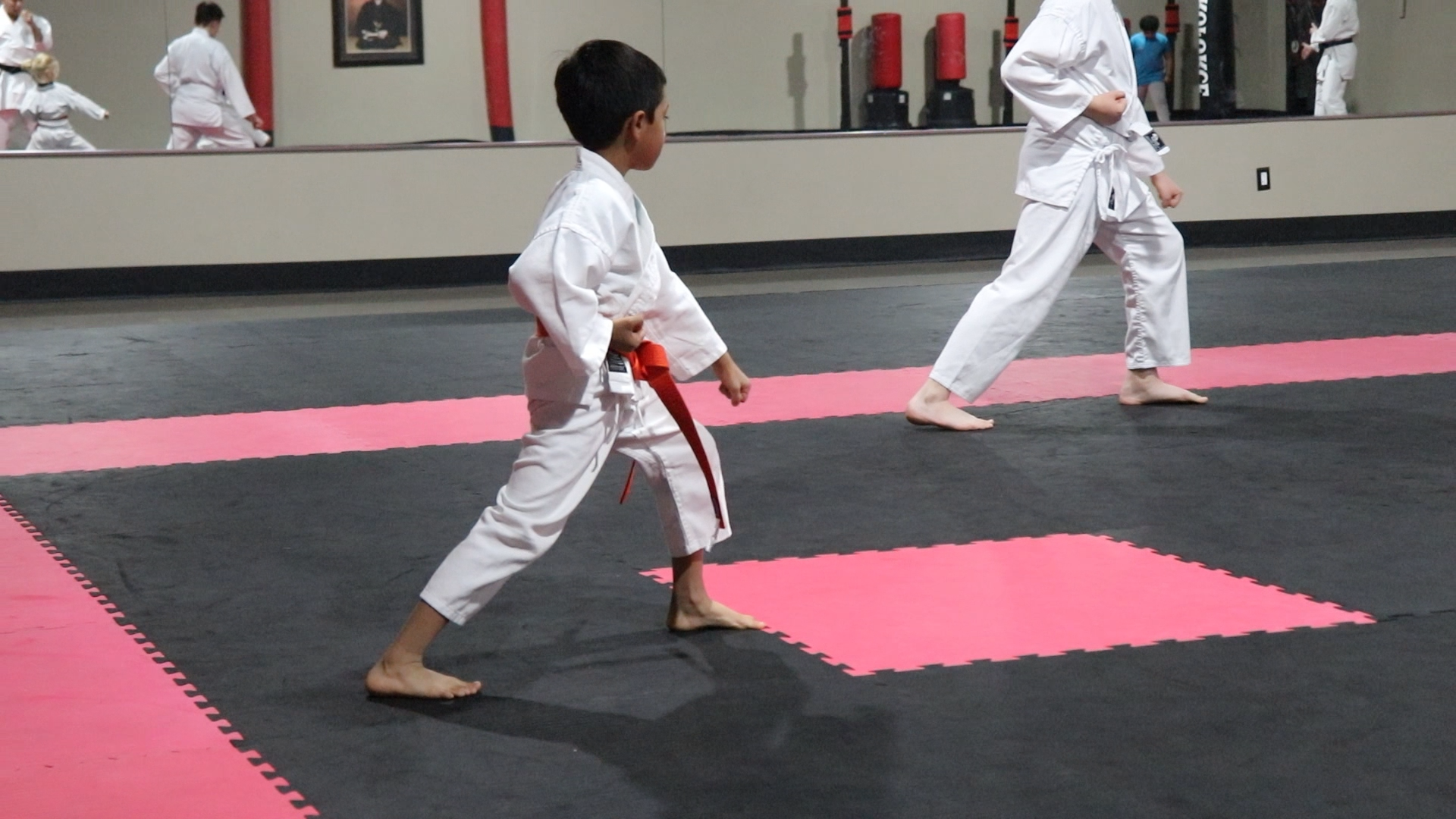
Yes. Missouri Karate Association’s Adult Beginner class is open to students ages 13 and older, from white through blue belt, including complete beginners. No previous martial arts experience is required. The published eligibility in MKA’s beginner class guide includes teenagers, even though the program carries the Adult Beginner name.
For families considering beginner karate for teens near Manchester, class placement is a useful place to start. Before arranging a visit, share your teenager’s age, previous training, and goals with an instructor. Ask which class they should try and what to expect when they arrive.
An Ellisville Dojo Serving Manchester Families
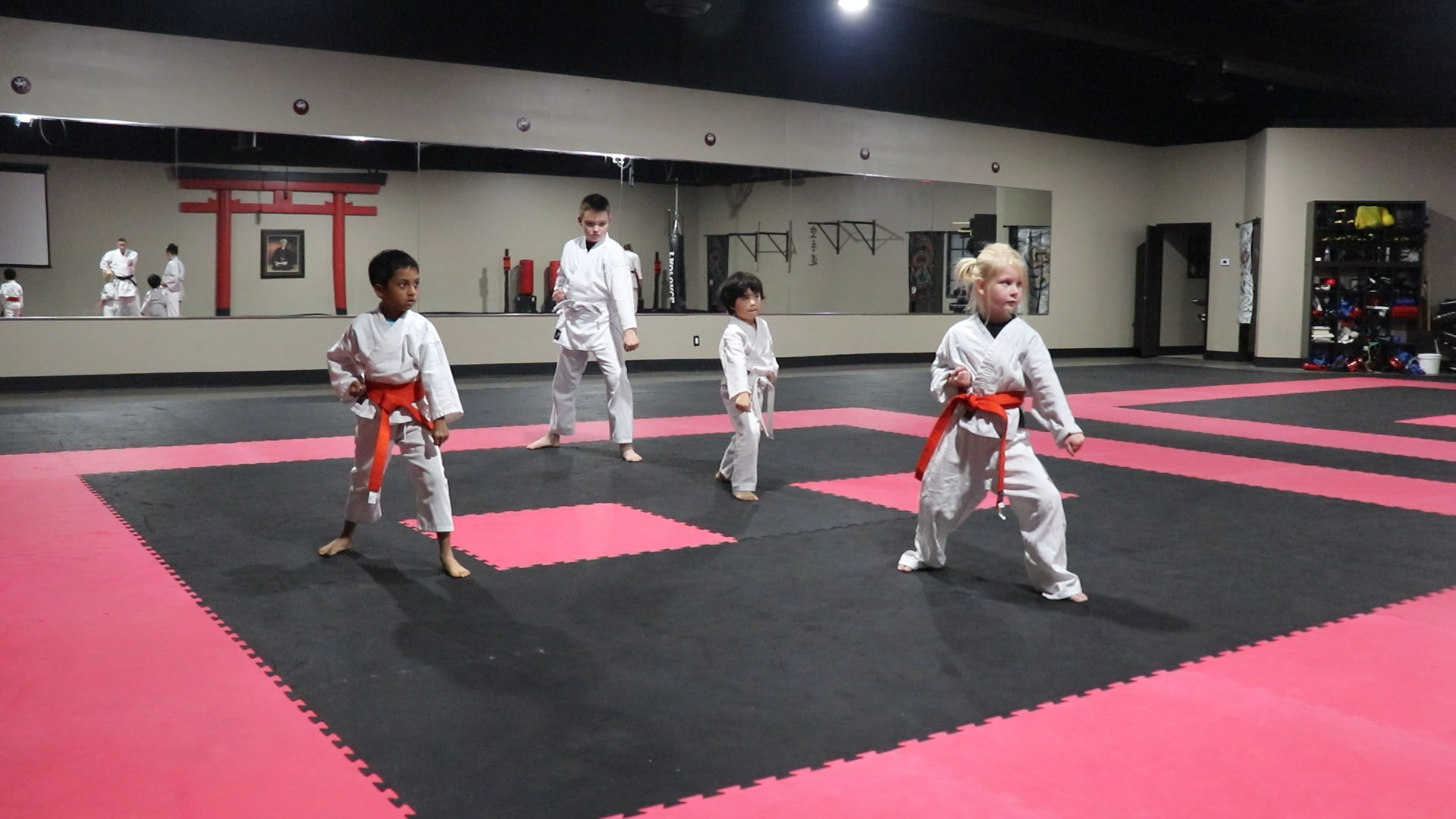
Missouri Karate Association serves Manchester families at 15648 Manchester Road, Ellisville, MO 63011. The physical dojo is in Ellisville.
Include your teenager in planning the visit. Are they curious about learning karate techniques? Do they want a structured activity? Are they nervous about practicing with someone they have never met? Bringing those questions to the instructor can make the first conversation more useful.
What a Teenage Beginner Learns
MKA teaches traditional Shotokan karate. Its beginner guide describes stepping, punches, blocks, and kicks, along with posture, balance, body movement, distance, and control.
For a new student, those fundamentals give you specific things to pay attention to: where the feet go in a stance, how to step without losing balance, and how to finish a movement with control. During a trial, notice how the instructor explains a technique, offers corrections, and gives students opportunities to repeat it.
Encourage your teenager to approach the visit as a chance to learn. Afterward, ask which movement made sense and which one they would like explained again. That can open a better conversation than asking whether they were good at karate on their first day.
Class Customs and Partner Practice
According to MKA’s introductory guide, students bow when entering or leaving the dojo and line up according to rank at the beginning of class. Ask the instructor to explain any customs your teenager does not recognize.
The guide also explains that a first class may include individual practice, a controlled partner exercise, or an instructor demonstration. Sparring concepts are introduced progressively. Before attending, ask what the particular trial class will involve and how any partner practice will be introduced.
Finding the Right Class and Understanding Progression
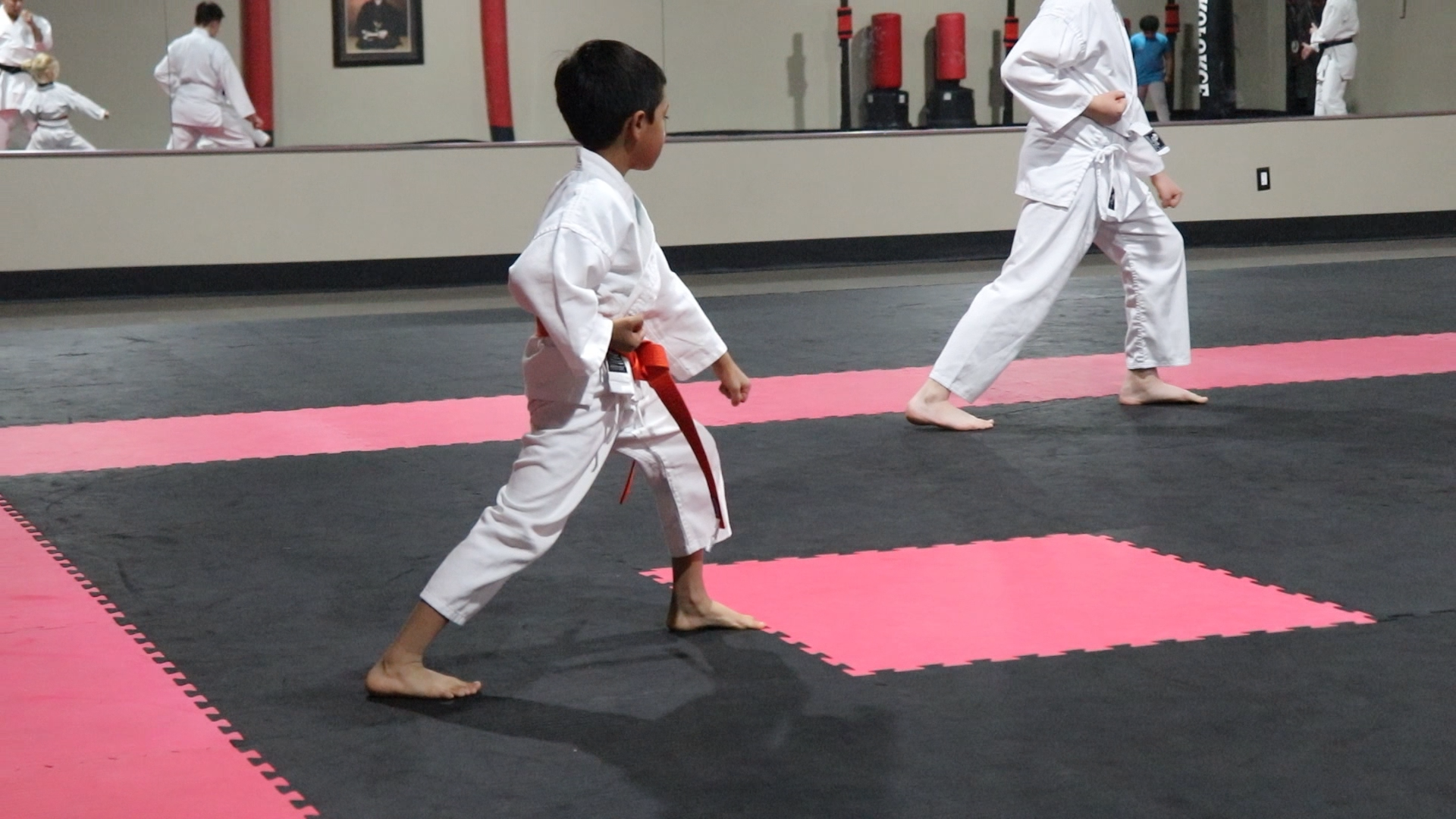
MKA’s adult program includes Adult Beginner and Adult General classes. The published ages 13+ and white-through-blue eligibility establishes a beginner pathway for eligible teenagers. Discuss individual placement with an instructor before joining a class.
A simple way to begin is: “My teenager is 14 and has never taken karate. Which class should we visit?”
If your teenager has trained elsewhere, explain the style, previous rank, and how recently they practiced. Ask how that experience affects placement. For a child younger than 13, ask which class is appropriate before arranging attendance.
It also helps to ask what students need to demonstrate before progressing toward Adult General training. Use that conversation to understand the expectations without assuming a fixed promotion timeline.
How is a Beginner Karate for Teens near Manchester trial?
A trial gives both of you a chance to consider the teaching and ask questions. Look for:
Clear explanations: Can a beginner understand what to try?
Respectful corrections: Does feedback help the student understand what to change?
Patient instruction: Is there time to ask a question and try again?
Controlled partner practice: Are the instructions and expectations clear before an exercise begins?
Let your teenager share their impressions first after class. Did they feel comfortable asking for help? Which part interested them? What would they want clarified before returning?
For a broader conversation about the purpose of training, you can also read The Meaning of Conflict in Martial Arts together.
How to Prepare for the First Class
MKA’s first-class guidance keeps preparation straightforward:
Wear comfortable exercise clothes that allow unrestricted movement.
Bring water.
Secure long hair and remove jewelry.
Arrive a few minutes early to meet the instructor and become familiar with the training area.
Expect barefoot practice, with shoes removed before entering the dojo floor.
You do not need to purchase a karate uniform before the introductory class.
Questions to Ask Before Joining
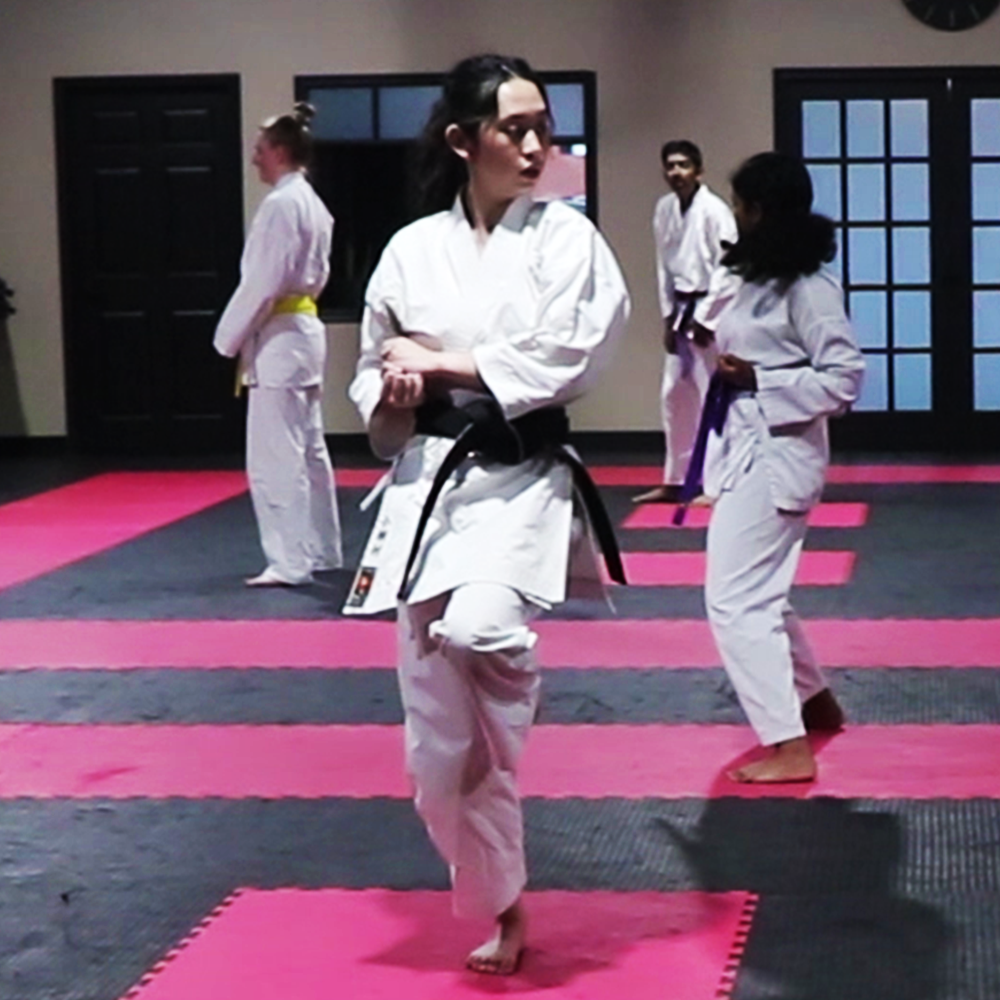
Before committing, confirm the practical details with an instructor:
What are the current class times and costs?
What attendance is expected?
How are partners chosen for teenage beginners?
How should a student ask for help during class?
What determines readiness for Adult General training?
Write down any questions your teenager wants to ask, too. Their interest and comfort should be part of the decision alongside your family’s schedule.
Arrange a Trial at the Ellisville Dojo
MKA offers a free trial class for new students. If your family is exploring beginner karate for teens near Manchester, contact Missouri Karate Association to confirm placement, arrange a visit at the Ellisville dojo, and discuss your teenager’s goals with an instructor.
Missouri Karate Association is the only traditional Shotokan Karate dojo in the St. Louis area, proudly serving families in Ellisville, Ballwin, and West County for over 20 years.
We offer karate classes for kids, teens, and adults, helping students build confidence, discipline, and focus through authentic martial arts training.
Whether you're just getting started or looking to deepen your training, our instructors are here to guide you every step of the way.
Schedule your free trial class today, or visit us at mokarate.com to learn more.
Comments