


Am I Too Old to Start Karate? A Practical Guide for Adult Beginners
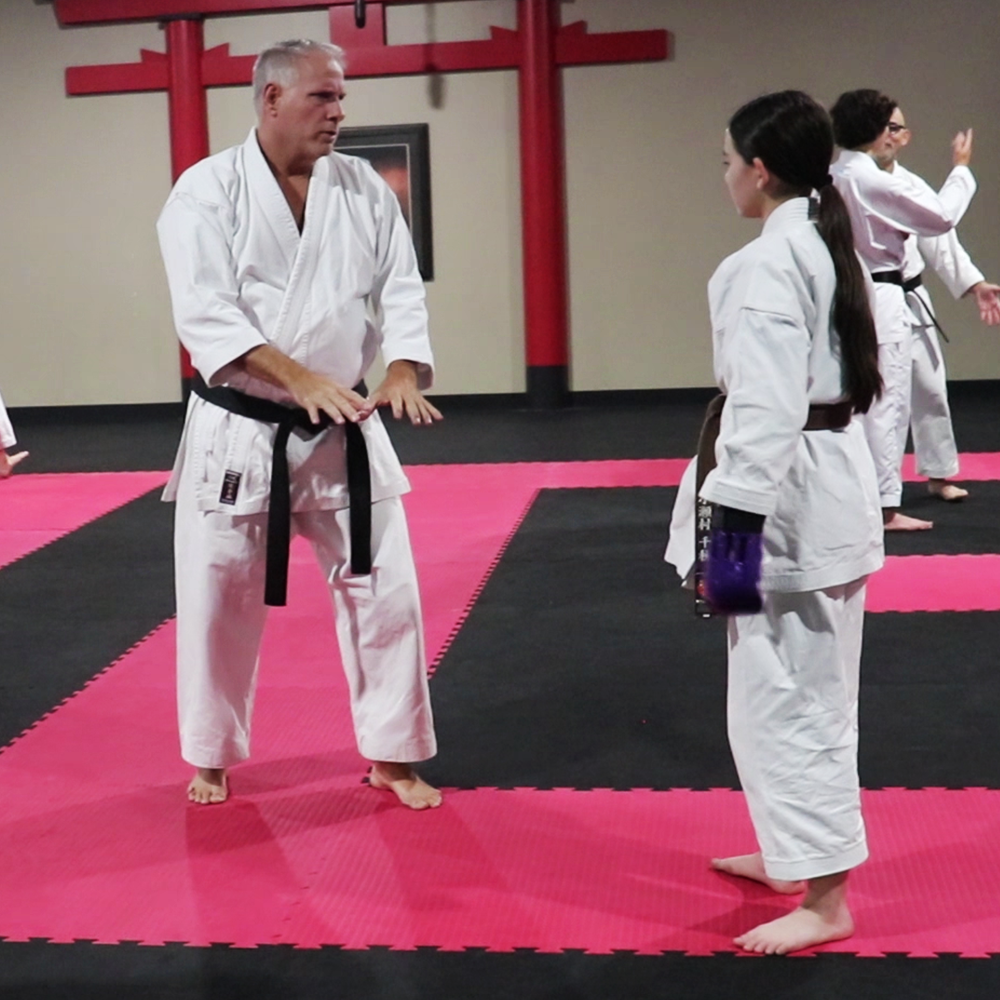
Age alone does not determine whether a karate class is suitable for you. If you're asking, “Am I too old to start karate?” in your 30s, 40s, 50s or beyond, the useful next step is to compare the class expectations with your fitness, mobility, concerns and goals, then discuss those with the instructor.
You do not have to dismiss your worries to consider starting. You need enough information to decide whether the particular class fits you.
Am I too old to start karate?
“Too old” can mean several different things. Naming the concern makes it easier to get a useful answer.
“I'm out of shape.” Ask what movement a beginner class involves, how the pace works and what happens when someone needs a break.
“I'm not flexible.” Ask about the range of movement expected in stances and kicks, and whether changes to an exercise are possible.
“I'll look foolish.” Look for an instructor who explains unfamiliar movements and corrects mistakes respectfully. You are there to learn something you haven't done before.
“I'm worried about getting hurt.” Ask about contact, partner selection, supervision and how to pause an exercise. Do not treat reassuring language as a guarantee against injury.
You can bring these concerns to the conversation before participating. There is no need to turn your first visit into a test of how much you can endure.
What MKA publishes about adult beginner classes
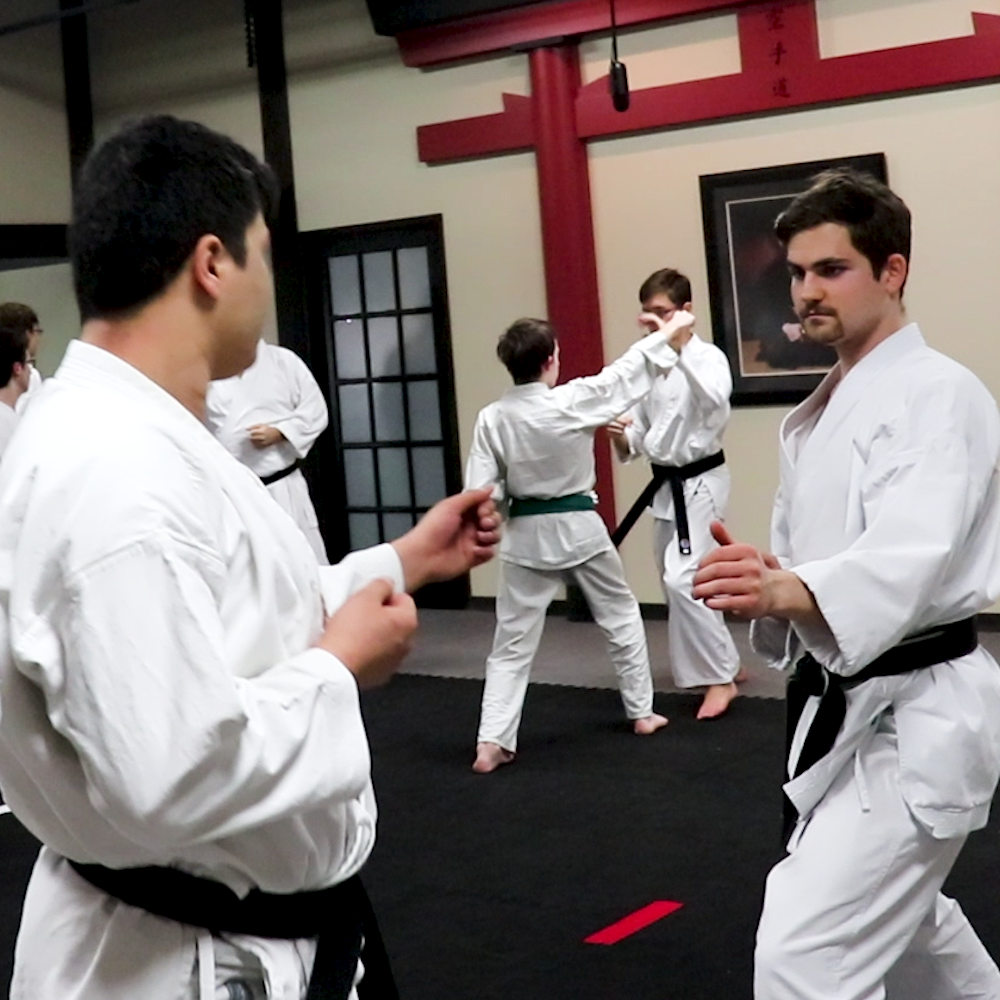
Missouri Karate Association teaches traditional Shotokan karate. Its published Adult Beginner class is for students ages 13 and older, including people with no previous martial arts experience. That is the beginner program described here; the supplied information does not establish a separate seniors class. Read MKA's beginner overview.
The same overview describes an introduction to class structure and dojo etiquette, followed by foundational movements such as stances, stepping, punches, blocks and kicks. Posture, balance, body movement, distance and control are also part of the published beginner information. These are subjects beginners are introduced to, rather than a checklist to master on arrival. See MKA's description of a first visit.
Before attending, ask which current class the instructor recommends for you. An age eligibility statement alone cannot answer questions about your individual needs.
Prepare for your first visit
MKA's introductory guidance recommends comfortable exercise clothing that allows free movement. It also says to remove jewelry, secure long hair, bring water and arrive a few minutes early. Practice is barefoot, and you do not need to purchase a karate uniform, or gi, before your introductory class. Review the published preparation guidance.
Alongside those practical preparations, choose two or three questions you want answered. For example: “What should I do if I cannot follow a movement?” or “How do I let you know I need to stop?”
A first visit gives you something useful to evaluate: whether you understand the instructions and feel comfortable discussing a concern.
A flexible picture of the first three months
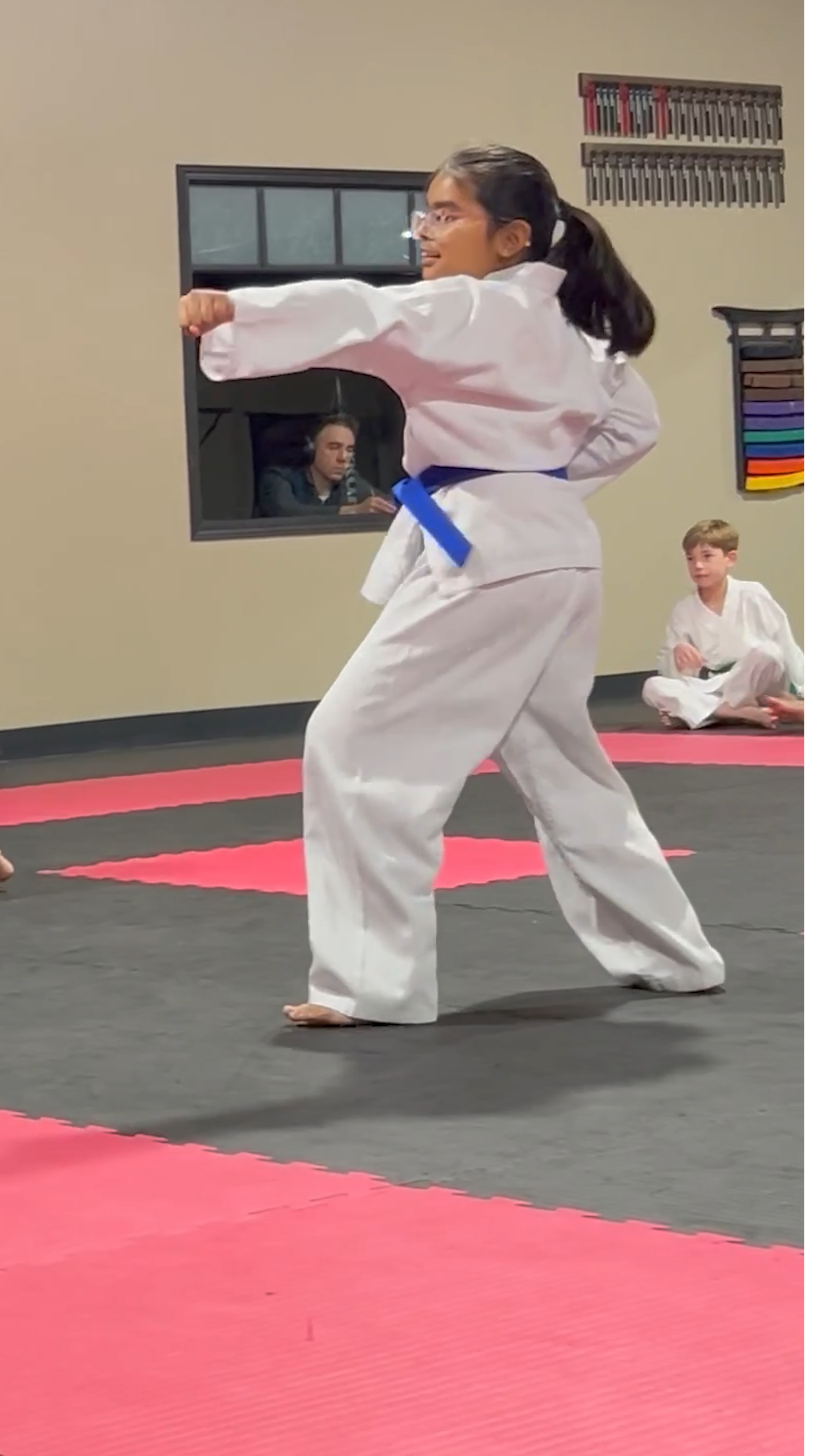
The following is an illustration, not MKA's verified monthly curriculum, a belt timeline or a promise of progress. Your experience would depend on the instruction, your attendance and your individual circumstances.
Month one: getting oriented
Early visits might center on learning where to stand, following class routines and trying unfamiliar movements. A useful focus could be understanding one instruction at a time and asking what to work on next.
Instead of judging the visit by how polished you look, consider whether you can explain what you were asked to practice.
Month two: returning to fundamentals
Later practice might revisit the same movements with instructor corrections. You could ask which detail deserves your attention first: foot placement, posture or the direction of a movement, for example.
Repeating a basic exercise need not mean collecting more repetitions without thought. Use the instructor's feedback to give the next attempt a specific purpose.
Month three: reviewing your routine
Continued attendance might bring greater familiarity with the class routine. This can also be a useful point to discuss what remains confusing, whether the attendance pattern is sustainable and whether the class expectations still fit your needs.
There is no required outcome for this illustration. If something remains unfamiliar, bring it into the next conversation with the instructor rather than treating the calendar as a deadline.
Discuss mobility, fitness and prior injuries before joining
Be specific about what you want to understand. “Can I do karate?” is harder to answer than a question about an actual exercise or class expectation.
Consider asking:
What movements and pace should I expect in this beginner class?
How are beginners introduced to partner work, and what contact is involved?
If a movement is unsuitable for me, what alternatives, if any, can you offer?
How do students request a break or pause an exercise?
Can we discuss my mobility limitations or prior injury privately before class?
These are questions to resolve with MKA, not a description of verified accommodations. Do not assume every exercise can be changed or every injury can be accommodated. The goal is a clear discussion of what the class requires and what the instructor can actually offer.
Listen, ask and choose a sustainable routine
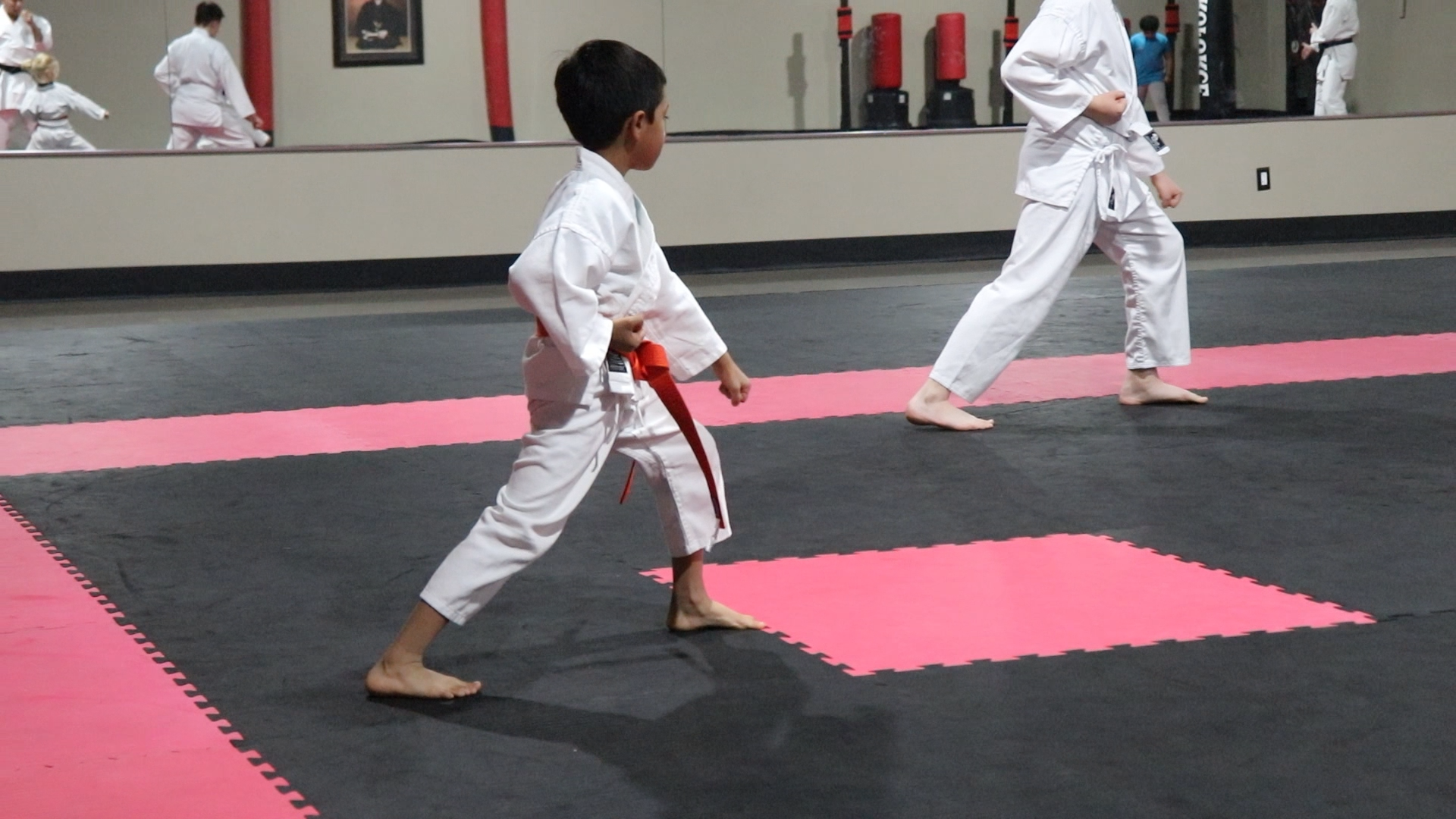
Give a correction your attention, then ask for clarification if you do not understand it. A question such as “Which part should I change first?” gives the instructor something concrete to address.
Ask what attendance routine is appropriate, then consider what you can realistically maintain. Regular opportunities to revisit instruction can support learning, but they do not establish a guaranteed pace or a date for advancement.
Whether you are considering karate for adults or searching for karate for seniors, use your own needs as the starting point. You do not need to match another student's age, movement or learning pace to ask whether the class is right for you.
Use a visit to evaluate the fit
Look for clear explanations, respectful corrections, controlled practice and room to ask questions. Notice how the instructor responds when you say you are confused or concerned. Before committing, make sure the answers address the specific worries that brought you here.
MKA's dojo is at 15648 Manchester Road, Ellisville, MO 63011, and its website advertises a free introductory class. Visit Missouri Karate Association's website to explore that offer and ask how to arrange a suitable first visit.
Missouri Karate Association is the only traditional Shotokan Karate dojo in the St. Louis area, proudly serving families in Ellisville, Ballwin, and West County for over 20 years.
We offer karate classes for kids, teens, and adults, helping students build confidence, discipline, and focus through authentic martial arts training.
Whether you're just getting started or looking to deepen your training, our instructors are here to guide you every step of the way.
Schedule your free trial class today, or visit us at mokarate.com to learn more.


Comments